
Investors use the Profit and Loss Account to determine a company’s profitability and financial health. They analyze the company’s revenue and expenses to understand how efficiently it is operating and generating profits. They also use the information to calculate financial ratios such as return on equity (ROE) to assess the company’s performance and make informed investment decisions. The Profit and Loss Account is a financial statement that shows the revenues, costs, and expenses of a business over a specific period. The purpose of this statement is to provide an overview of the company’s profitability over a given period.
Company
These consumed benefits are essential for determining profitability over a specific span. Net profit, also called “net sales” or “net earnings,” is the total profit for your business. COGS only involves direct expenses like raw materials, labor and shipping costs. If you roast and sell coffee like Coffee Roaster Enterprises, this might include the cost of raw coffee beans, wages, and packaging. Often shortened to “COGS,” this is how much it cost to produce all of the goods or services you sold to your customers.
Investors
Company management uses the Profit and Loss Account to monitor and evaluate the company’s financial performance. They analyze the revenue and expenses to identify areas of improvement and make informed decisions about budgeting, pricing, and cost-cutting. They also use the information to create financial models and projections to plan for the future.
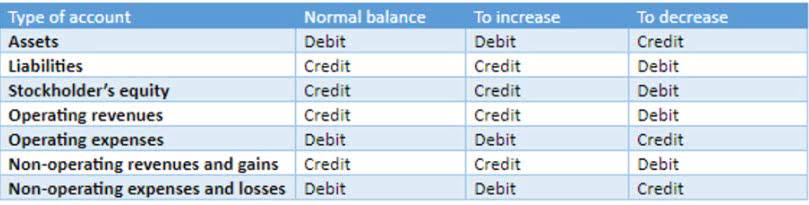
Expense-Related Accounts Found on the Balance Sheet
- It’s usually used to give an idea of an aspect of a company’s financial health.
- Structuring the format of an income statement involves organizing the compiled data into a coherent structure that logically flows from revenue to net income.
- These are non-operating items that are not part of the company’s core business operations.
- The most common periodic division is monthly (for internal reporting), although certain companies may use a thirteen-period cycle.
- Learn from instructors who have worked at Morgan Stanley, HSBC, PwC, and Coca-Cola and master accounting, financial analysis, investment banking, financial modeling, and more.
- For example, the year-end statement that is prepared annually for stockholders and potential investors doesn’t do much good for management while they are trying to run the company throughout the year.
Given the nature of their operations, such entities have a complex list of activities and costs to account for. The “Income Statement” is a financial statement that summarizes a company’s revenues, expenses, and online bookkeeping the resulting net income. It is normally the first financial statement that is prepared in an accounting system. In the end, the main purpose of all profit and loss statements is to communicate the profitability and business activities of the company with end users. For the service companies, such as accounting and law firms, the income statement usually does not have the cost of goods sold on it.
- Interest earned by a bank is considered to be part of operating revenues.
- Some people use the term gross margin to mean the gross profit percentage, which is the amount of gross profit divided by net sales.
- These costs are classified as period costs because they are fully consumed within the reporting period.
- Service Revenues include work completed whether or not it was billed.
- Gains are the result of an optimistic event that results in an increase in the income of an organization.
Defining Operating Income

They also include the costs of materials used to develop the products and the labor needed to get the goods to market. A single-step income statement is synonymous with small business as it offers a simple report of business profit. This income statement format uses a single equation to come up with the Net Income. It presents revenue, expenses and ultimately, profit or loss in a straightforward way that involves a single calculation. Our attorneys practicing corporate or business laws assist businesses with issues concerning income statements.

General and Administrative Expenses
XYZ Corporation’s net income was $69,000 after handling all money made and spent, including $15,000 for taxes. This final number clearly shows how the company did financially for that period. An income statement is a financial statement that lays out a company’s revenue, expenses, gains, and losses during a set accounting period.
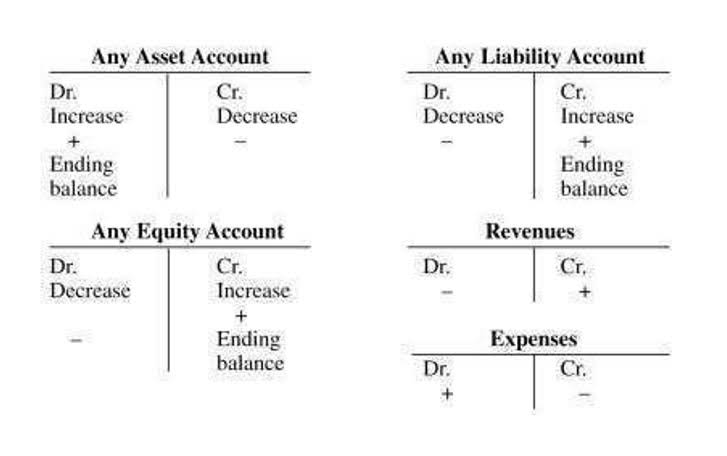
For Public Companies
- An organization located in a unique industry may find that it requires additional accounts beyond the ones noted here.
- A profit and loss account includes all revenues earned and expenses incurred during a specific period of time.
- Also, an income statement would not include unrealized gains from investments and loans (such would be reported in the cash flow statement).
- Another example is a large company’s reporting of financial statement amounts in thousands of dollars instead of amounts to the penny.
- Operating revenue is often the largest component of total revenue and directly correlates with business activity.
Recognizing these gains provides insight into how well a company capitalizes on external opportunities or maximizes asset value. However, sustainable growth and profitability should primarily come from core operations rather than reliance on infrequent gains. Analyzing these factors offers an understanding of a company’s comprehensive financial strategy and its ability to leverage additional financial opportunities. A blog can be particularly effective in exploring diverse perspectives, such as expert quotes, enhancing reader engagement. The profit and loss account is prepared using accrual accounting, which records revenue and expenses when they are incurred, not when they are received or paid. This method gives a more accurate picture of the company’s financial performance, as it reflects the economic reality of the business.
Payment is usually accounted for in the period when sales are made or services are delivered. Receipts are the cash received and are accounted for when the money is received. Similarly, for a company (or its franchisees) in the business of offering services, revenue from primary activities refers to the revenue or fees earned in exchange for offering those services. Budgeting for Nonprofits Expenses are the costs that a company pays to be able to generate revenue. Some common examples of expenses are employee wages, equipment depreciation, and supplier payments.
Income Statement Accounts
It includes the cost of raw materials, labor, and other direct costs. Each month, an adjusting entry is made to recognize the portion of the asset that has been used up. This entry decreases the Prepaid Insurance asset account on the Balance Sheet and increases the Insurance Expense account on the Income Statement. This systematic transfer ensures the financial statements accurately reflect the consumption of the resource over time. Below is a video explanation of how the profit and loss statement (income statement) works, the main components of the statement, and why it matters so much to investors and company management teams. It shows you how much money flowed into and out of your which accounts are found on an income statement business over a certain period of time.